
Item
Kihawahine
by R.C. Barnfield (1856-1893)
The deities Kū , Kāne, Lono and Kanaloa are often referred to as the “four main gods” in traditional Hawaiian society. This generalization belies the incredible power and central role of female deities in the Hawaiian world. Gods such as Pele, Hina, Papahānaumoku, and Kihawahine were undoubtedly “main” gods, and were subservient to no entity. Nā Akua Wāhine such as Poʻele and Kihawahine played a central role in the creation of everything from the living world itself, to the governmental Kingdom of Hawaiʻi. Ceremonies for these goddesses took place at the most sacred heiau in the islands. The highest women of state were known to bring offerings to these female deities at the Hale o Papa, or women’s heiau.
Kihawahine Mokuhinia Kalamaʻula Kalāʻaiheana was the daughter of the powerful sixteenth-century ruling chief of Māui, Piʻilani, and his sacred piʻo wife Lāʻieloheloheikawai. This exceptionally high ʻUlu line of genealogy carried down from Hāloa meant that piʻo unions of this branch would continue to produce gods. Kalāʻaiheana’s two brothers Lonoapiʻilani and Kihaapiʻilani were to become Mōʻī of Māui, and her sister Piʻikea would marry ruling chief ʻUmialīloa. Kihawahine herself would leave a decendency along the Maluna line that would later include the ruling Mōʻī, Kalākaua and his sister Liliʻuokalani. Upon Kalāʻaiheana’s death, her iwi (bones) were wrapped in kapa and placed in the waters of the royal fishpond at Mokuhinia, Lahaina. A ceremony deifying this high-ranking chiefess transformed her into the moʻo goddess Kihawahine. It is said that this terrifying and powerful moʻo had so many taboo associated with her it was impossible to name them all. Moʻo were often guardians of fresh water ponds and Kihawahine’s residence was Mokuhinia i ka Maluʻuluolele (Mokuhinia in the breadfruit shade of Lele). This royal inland-fishpond housed the island residence of Mokuʻula. This home to centuries of ruling chiefs was a piko (center) of traditional religious and political life.
In Kamehameha’s unification of the kingdom, Kūkāʻilimoku, the male god of war, is most often mentioned as his primary akua. It was however, his taking of the sacred princess Keōpūolani, the incorporation of her moʻokūauhau (genealogy), and his worship of her goddess Kihawahine, that not only assisted him in battle but also provided the raised genealogy that would leave his sacred children the undeniable right to rule. This was an important step in the creation of the Kamehameha dynasty. In this manner, the worship of Kihawahine, by her association with the ruling aliʻi, eventually developed into an instrument of state.*
Ka Lua o Kiha (the den of Kiha) became the political center of the Hawaiian Kingdom and an important puʻuhonua (place of refuge) for the son of Kamehameha I, Kauikeaouli. Kamehameha III often sought to escape the rising pressures of change that assaulted him at the busy trading centers and would retreat nearby, beyond the kapu gate of his royal residence at Mokuʻula. He would build a mausoleum at this sacred place where he would bring the bodies of his mother Keʻōpūolani, his beloved sister Nāhiʻenaʻena, their young baby, and other high aliʻi including Hoapili, Kaheiheimālia, Kekauʻōnohi and Kaumualiʻi. Kauikeaouli remained here, at Mokuʻula with his loved ones until such a time as affairs of state and the growing economic center of Honolulu was to pull the site of government away from Lahaina around 1845. After Kauikeaouli left Mokuʻula, many of the aliʻi nui followed and the site fell into disrepair. The mauka (upland) diversion of water for sugar cultivation meant that waters that had fed the pond dried up and this former royal fishpond became a reed-infested swamp. Around 1914, the Territory of Hawaiʻi filled in the pond and created a park that would later host softball games. Heeding the call of an 1863 oli published in the Hawaiian-language newspaper, to “Hoi ka nani i Mokuula” (Return the glory to Mokuʻula) a group led by Kumu Akoni Akana has embarked on a more than twenty year mission to see the glory of Mokuʻula re-awakened.
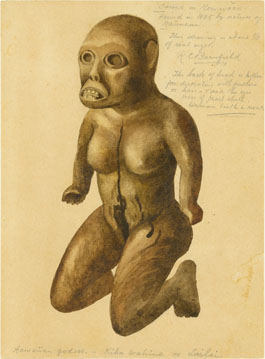
*Klieger, P. Christian.1998. Mokuʻula: Maui’s Sacred Island. p10. Bishop Museum Press. Honolulu, Hawaiʻi.
Location Bishop Museum Archives
Collection Art Collection
Call Number Art. Ethnic Culture. Hawaiian. Religion. Images. Wood.
Artifact Number SP 201102
Documents
 PDF“He inoa no Manoana.”Open →
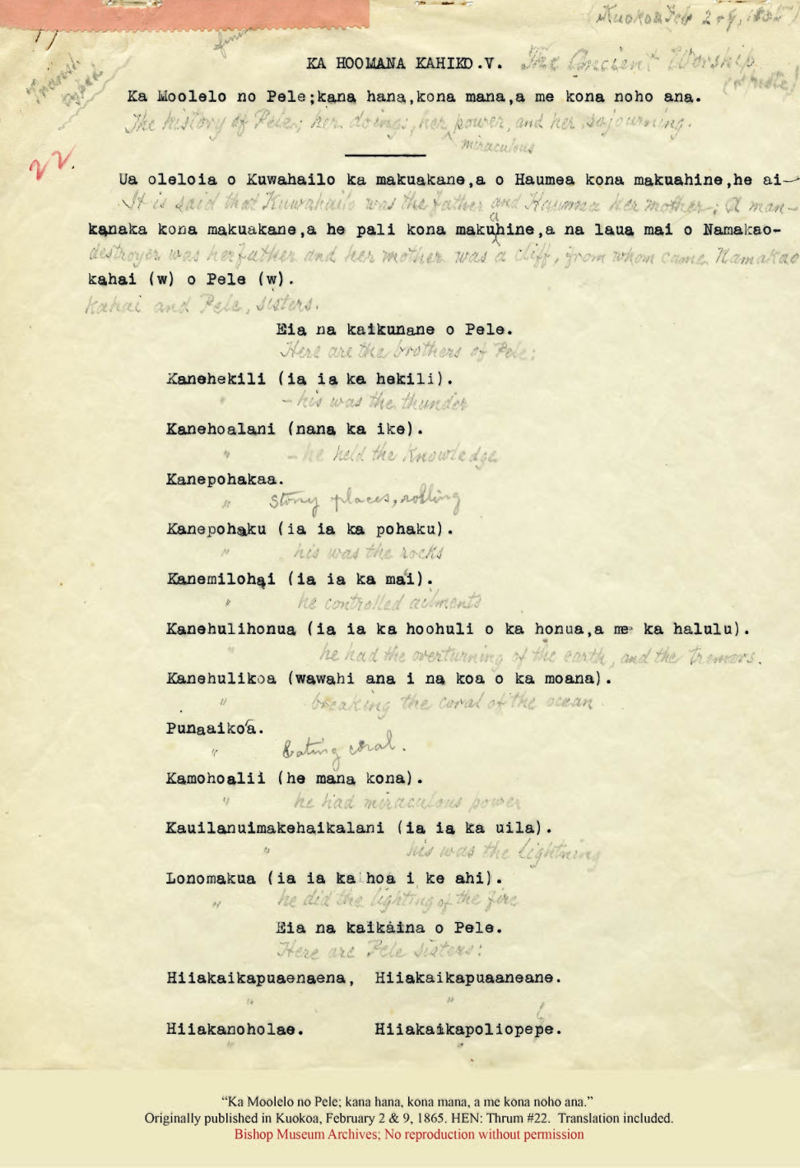 PDFKa Moolelo no Pele by J.S. KaawaOpen →
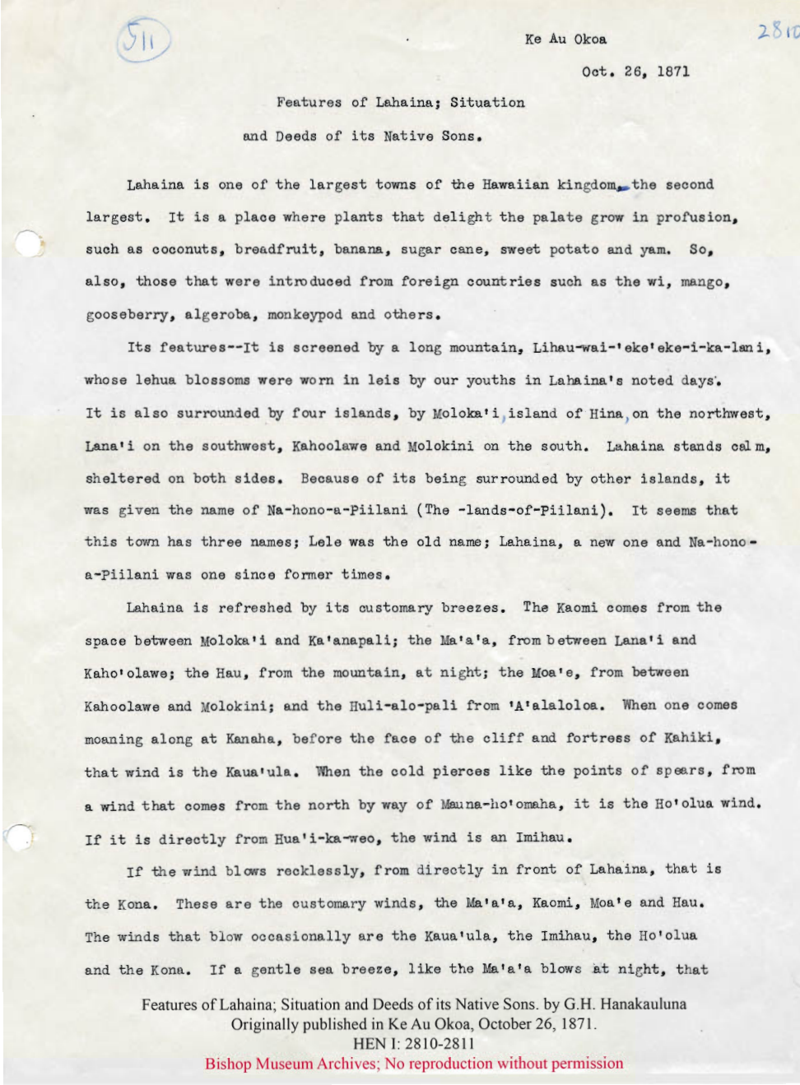 PDFFeatures of LahainaOpen →
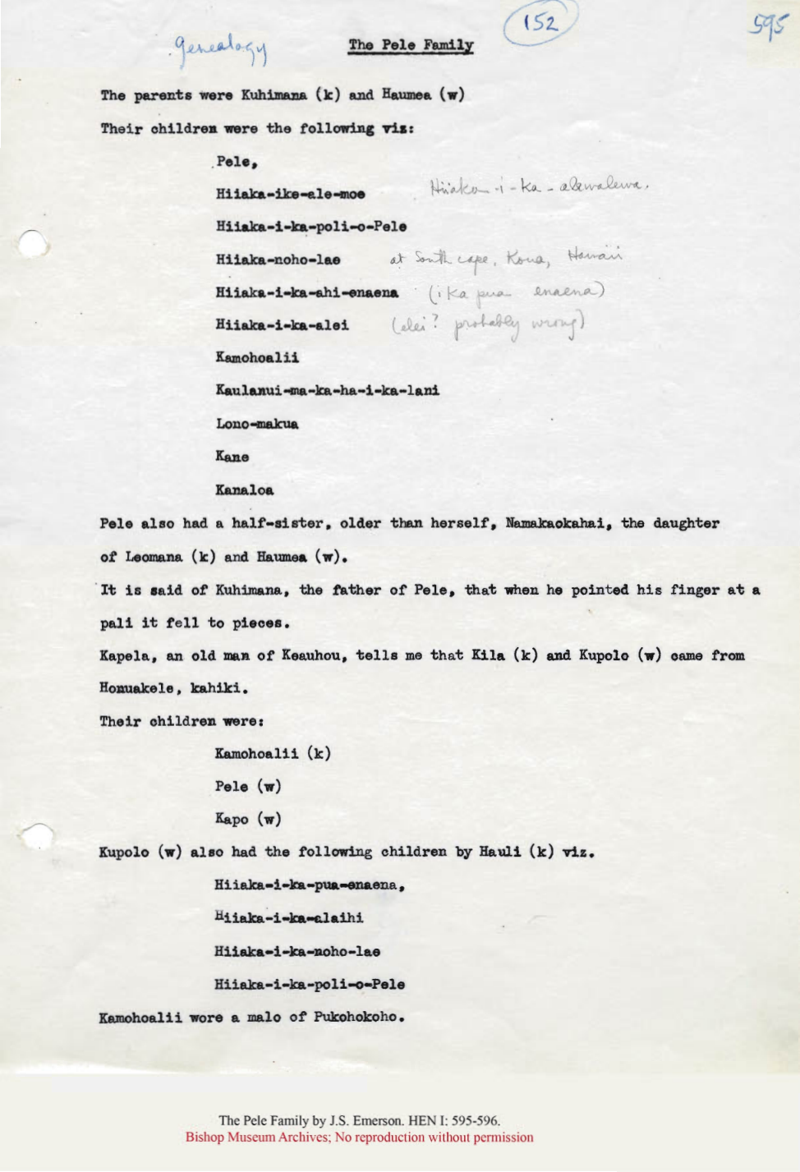 PDFThe Pele FamilyOpen →
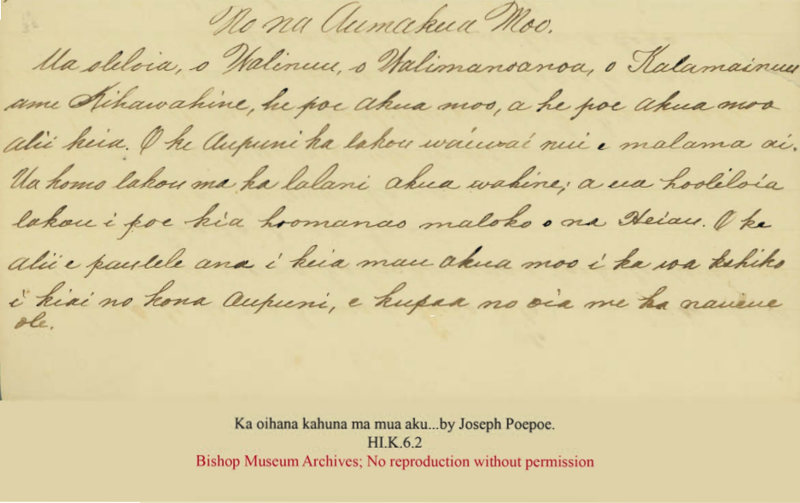 PDFKa Oihana Kahuna mamua akuOpen →
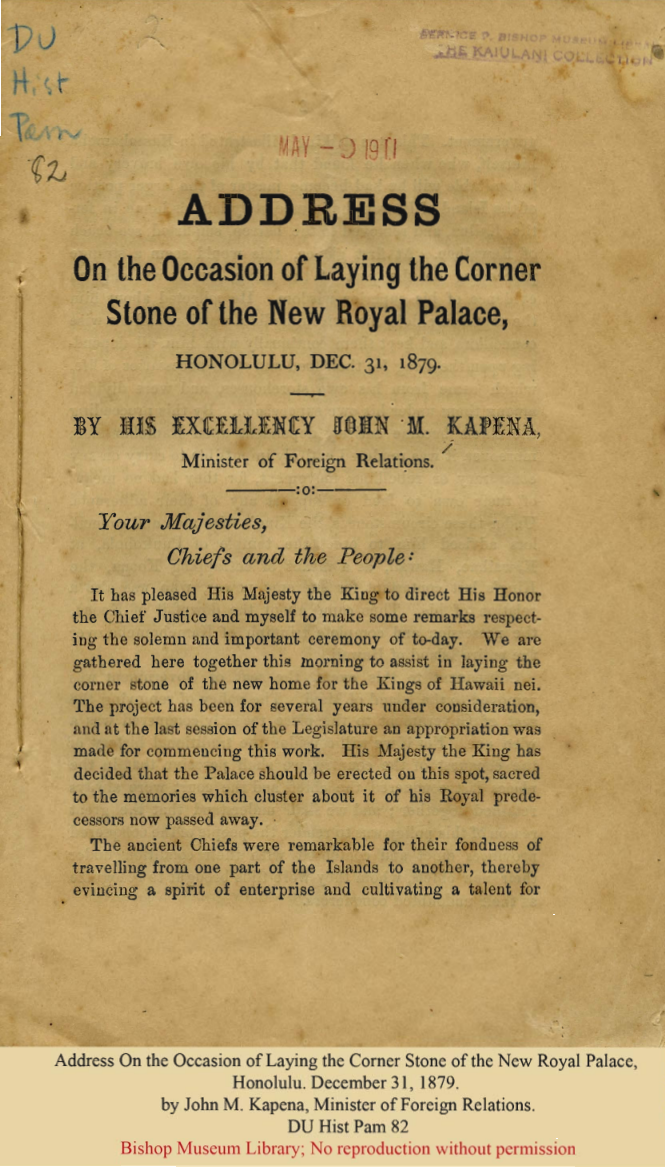 PDFLaying the Corner Stone of the New Royal PalaceOpen →
 PDF“Proceedings of the Legislative Body.”Open →
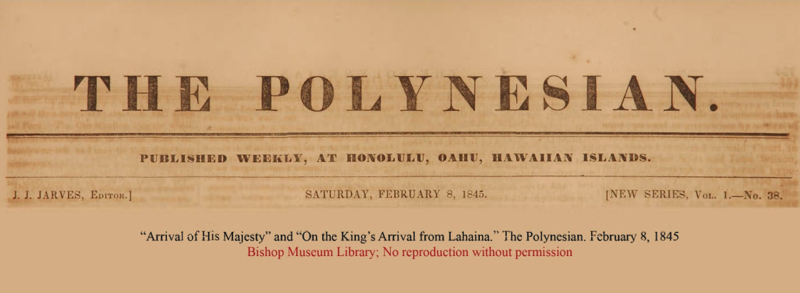 PDF“Arrival of His Majesty” and “On the King’s Arrival from Lahaina.”Open →
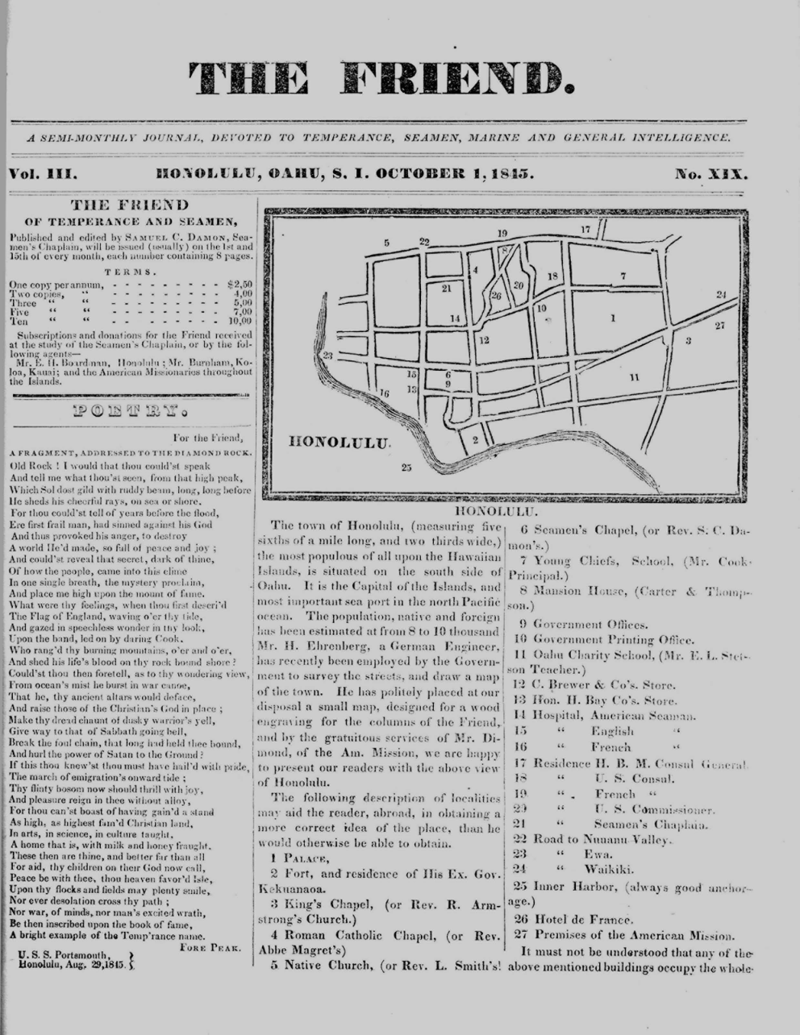 PDFHonolulu, 1845Open →
 PDFKihawahine extract from Moʻolelo o HawaiiOpen →
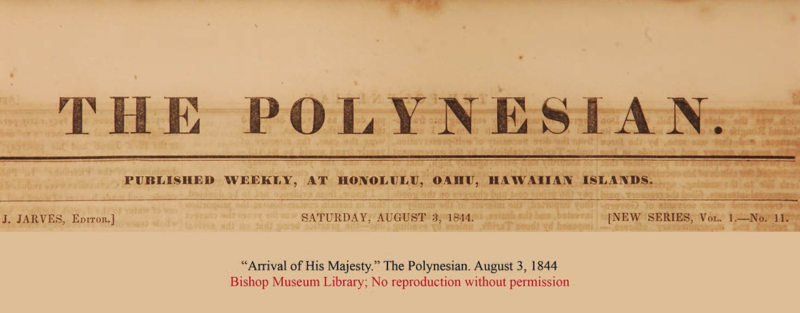 PDF"Arrival of His Majesty."Open →
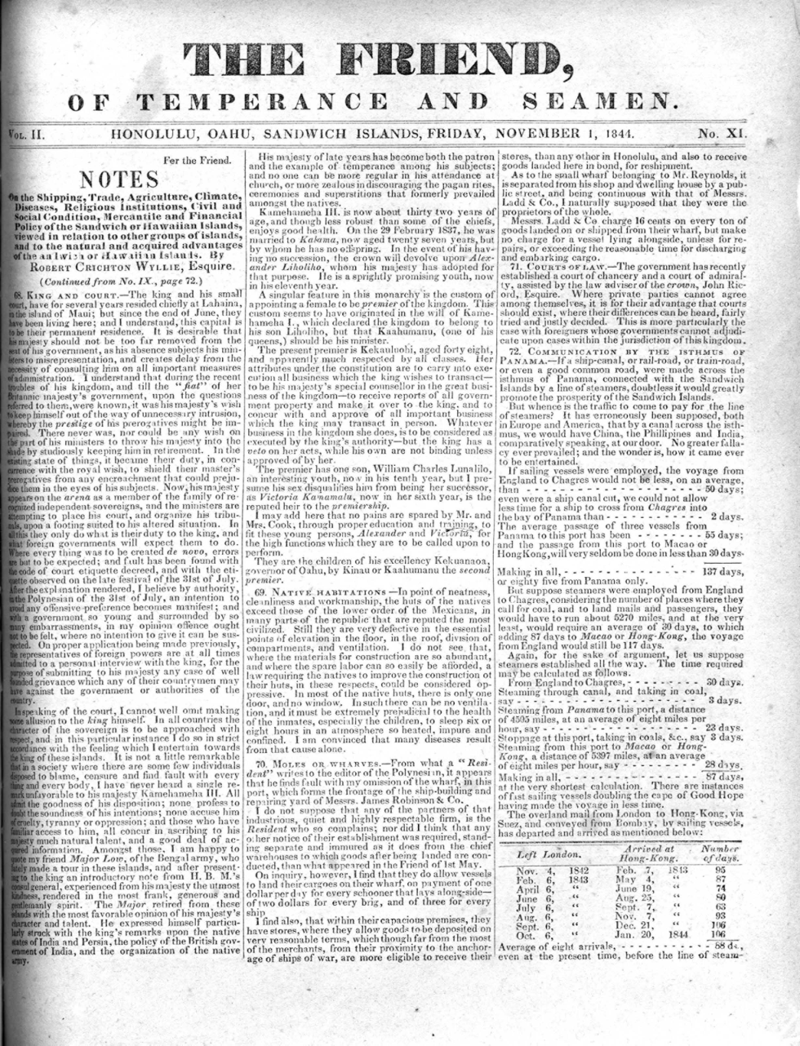 PDF68. King and CourtOpen →
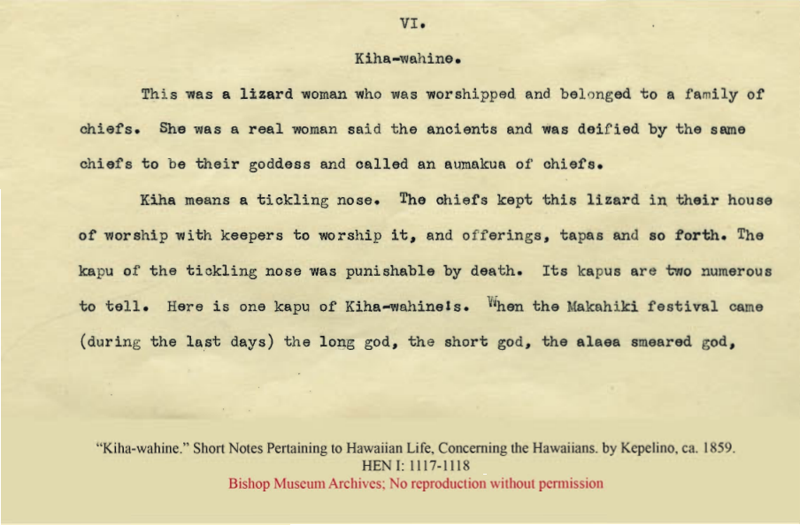 PDFKiha-wahineOpen →
Images
Connected resources
15 linksResource
Kiha-wahine
Resource
Ka Oihana Kahuna mamua aku
Resource
Features of Lahaina
Resource
The Pele Family
Resource
Ka Moolelo no Pele by J.S. Kaawa
Resource
Honolulu, 1845
Item
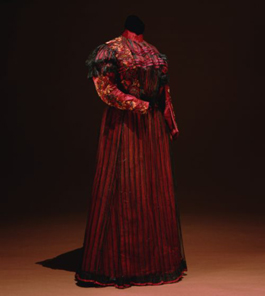
Gown of Princess Liliʻuokalani
Resource
"Arrival of His Majesty."
Resource
“Proceedings of the Legislative Body.”
Resource
“He inoa no Manoana.”
Resource
“Arrival of His Majesty” and “On the Kingʻs Arrival from Lahaina.”
Item
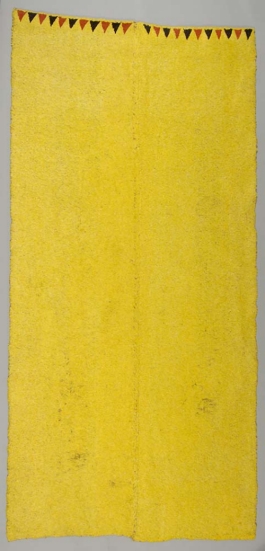
The Pāʻū of Nāhiʻenaʻena
Resource
68. King and Court
Resource
Laying the Corner Stone of the New Royal Palace
Resource