Item
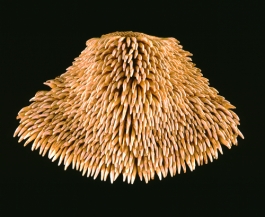
Kūpeʻe niho ʻīlio
Ka lehua neneʻe o Kāʻana
Refers to the low growing lehua of Kāʻana Molokaʻi where the first or one of the first hula schools in the islands is said to have been located.*
Hawaiian arts, or mea noʻeau, not only served aesthetic purposes but also fulfilled religious, societal and historiographical functions. Mele (music, songs) explain history, carry genealogies, praise individuals, reveal lands, and worship Akua (Gods). As hula is the dance that accompanies Hawaiian mele, the function of hula is therefore an extension of the function of mele in Hawaiian society. While it was the mele that was the essential part of the story, hula served to animate the words, giving physical life to the moʻolelo (stories).
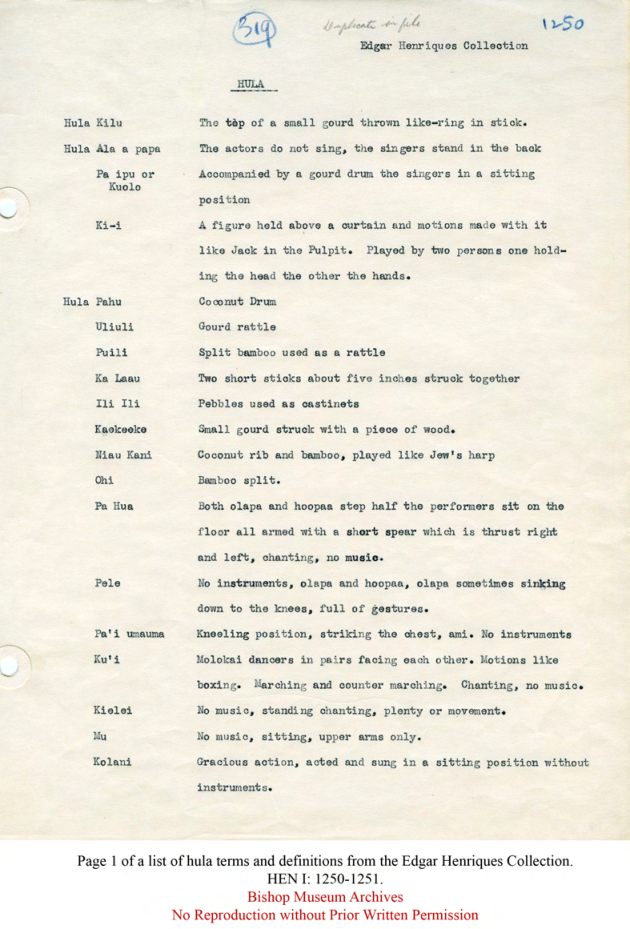
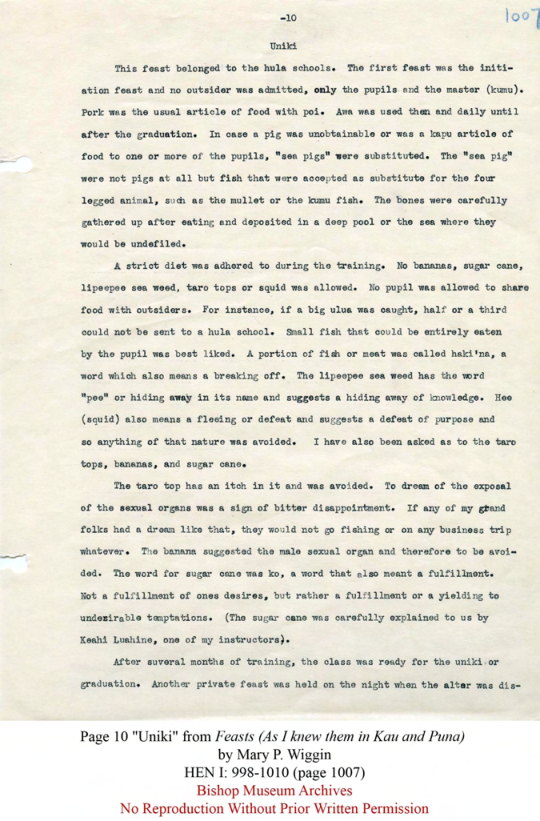
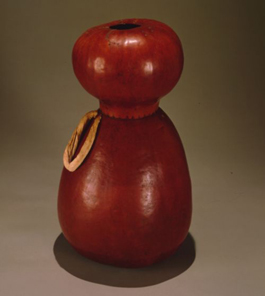
Ancient moʻolelo are filled with stories of hula, many of them centering on Pele ma (Pele clan including her sister and skilled teacher Hiʻiaka). The practice of hula carried many important protocols and involved a variety of implements. Hālau hula (hula schools) were set up to carry on specific traditions. Dancers learned not only the art of hula, but other skills such as oli (chanting), and the making of various hula implements, like the kūpeʻe niho ʻīlio. This adornment, made from the canine teeth of dogs, consisted of over a thousand of these teeth strung onto olonā cordage. These rattles were usually worn on the calves of male dancers, creating a stunning sound that accompanied the movements of the dancer. Like the ʻulīʻulī (gourd rattle), the kālaʻau (stick instrument), and the ʻiliʻili (small stones), the kūpeʻe niho ʻīlio kept the rhythm of the mele. The hula ʻīlio or dog hula sometimes incorporated this instrument. One such dance was He Inoa no Nahiʻenaʻena written to honor the sacred daughter of Kamehameha and Keʻōpūolani.
The kūpeʻe niho ʻīlio is rarely if ever seen in contemporary hula. With the arrival of western settlers in Hawaiʻi, the use of dog as a food was discouraged, making the large quantities of incisors needed for the kūpeʻe increasingly less available. As pressure against hula mounted in the mid 19th century other aspects and implements of the dance became less common.
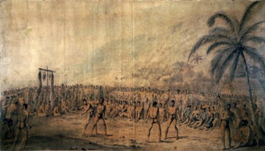
In the 1920s and 1930s the image of Hawaiʻi as a tourist playground was marketed and an ensuing boom of the visitor industry brought rise to a demand for the “little brown gal” hula dancer. This idea continued to dominate the Hollywood iconography of Hawaiʻi in the 1940s and 50s as hula shows toured the American continent. Later, in the 1970s and 80s, a cultural renaissance that included hula pushed to re-instill a reverence for the dance as a carrier of Hawaiian culture and history. This cultural revival was to intersect with modern politics when Native Hawaiian gathering rights were challenged, hindering the ability of Kānaka Maoli to collect the plants and materials that were central to their dance. Without these adornments, which were often kinolau (body forms) of the gods, the dance lost a foundational part of its traditional purpose and would be relegated to the aforementioned role of entertainment.
* Pukui, Mary Kawena. `Olelo no`eau: Hawaiian Proverbs & Poetical Sayings. Bernice P. Bishop Museum special publication 71. no. 1438, p156. Honolulu. Bishop Museum Press, 1983.
Location: Bishop Museum